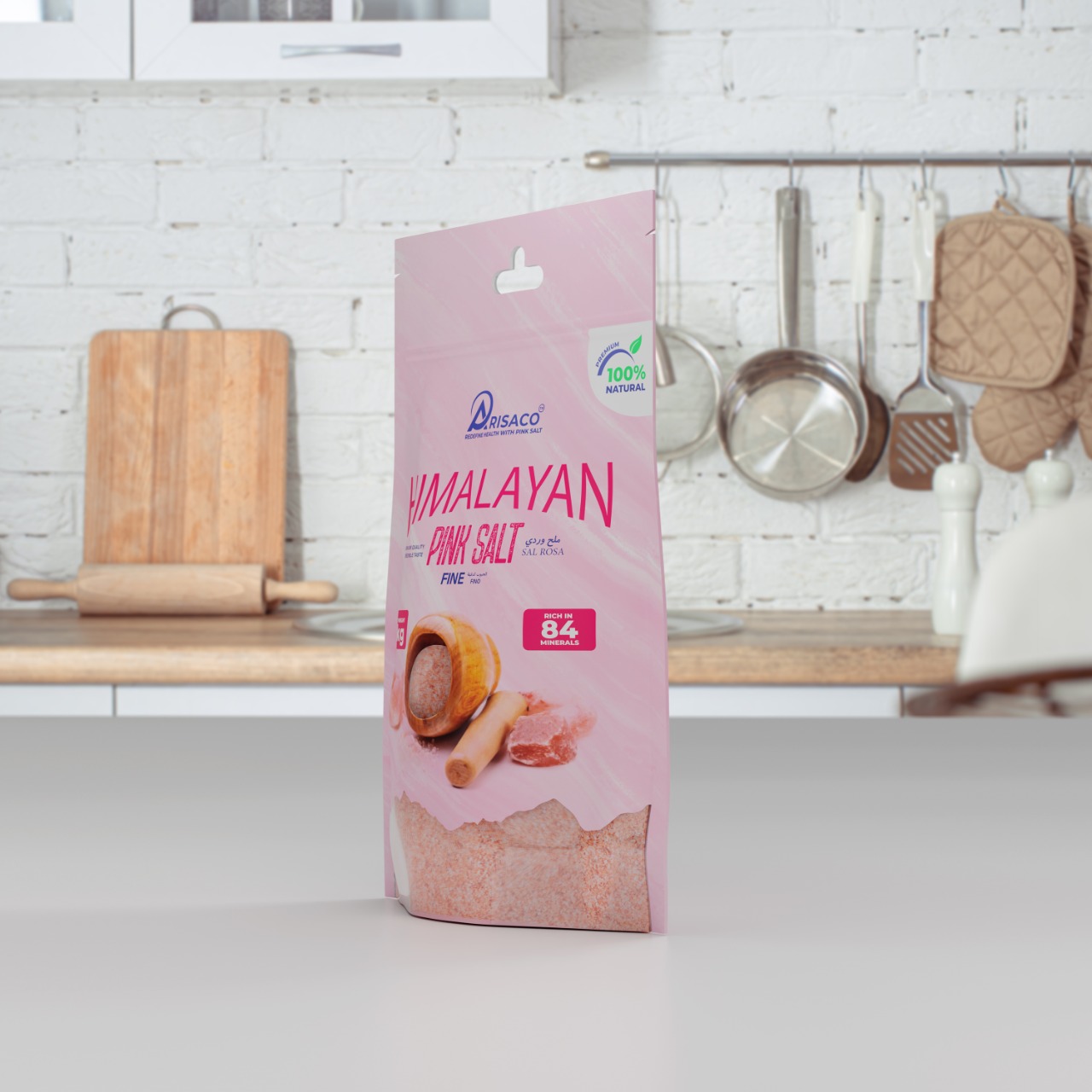
HIMALAYAN PINK SALT
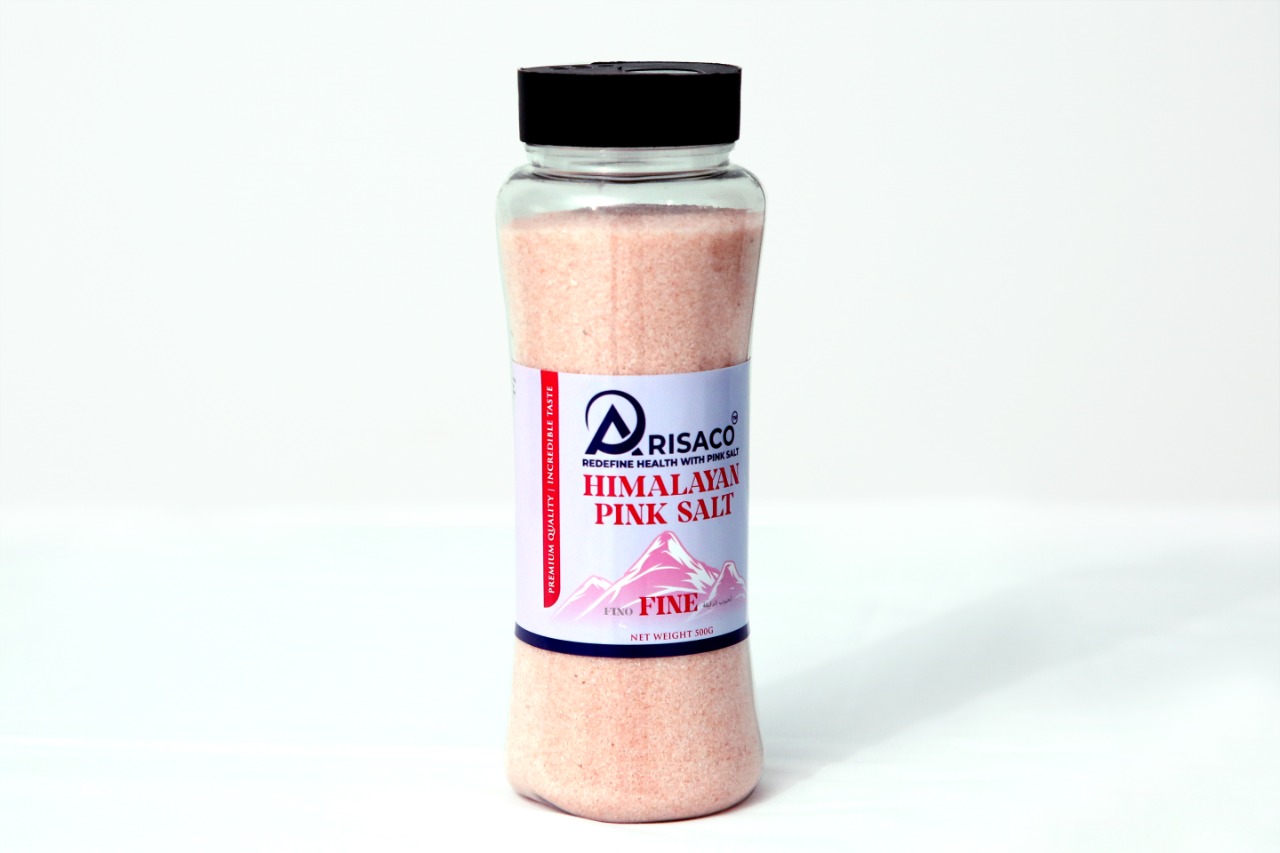
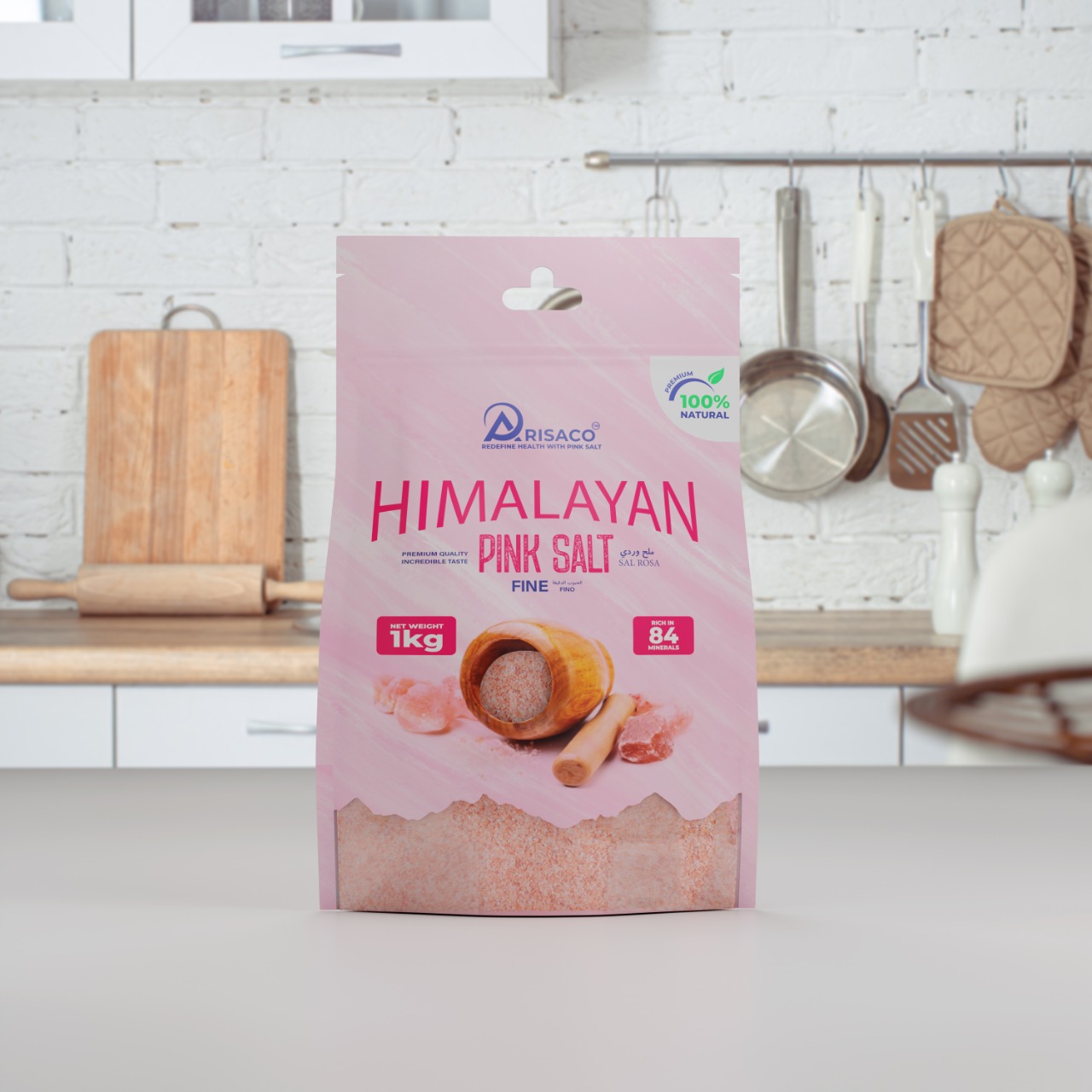
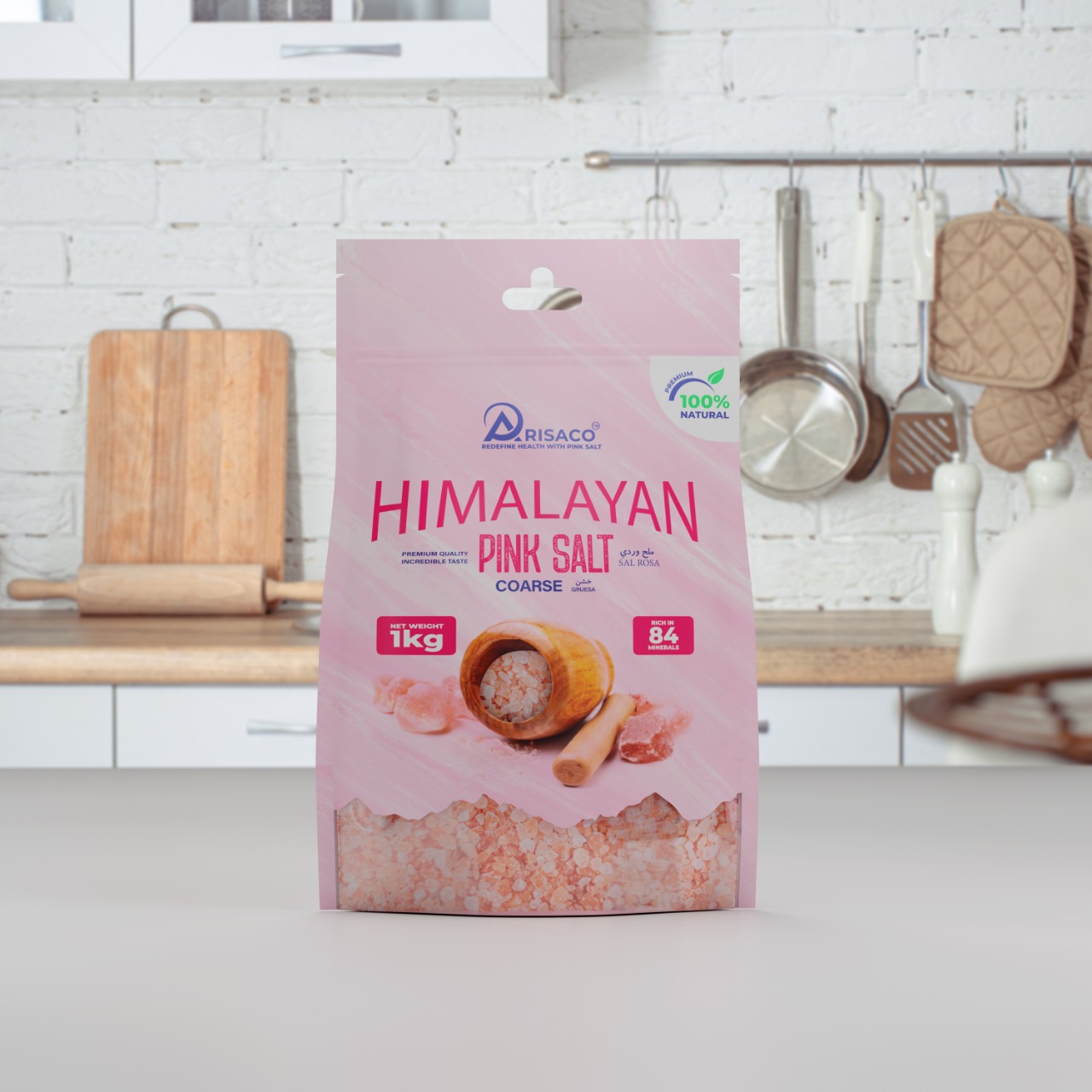
ARISACO GROUP FZC has processing plant where we process and pack Arisaco himalayan pink salt under our own supervision to maintain the quality and standard, Arisaco himalayan pink salt is currently supplied in the Middle East, EU, USA, Australia, Brasil, China, Asia & African markets.
Himalayan pink salt comes from the salt mines located near in the province of Punjab in Pakistan where we have our own facility that Accumulates the salt to be exported to our processing plant.
Arisaco himalayan pink salt has halal, vegan, kosher and organic certificates.
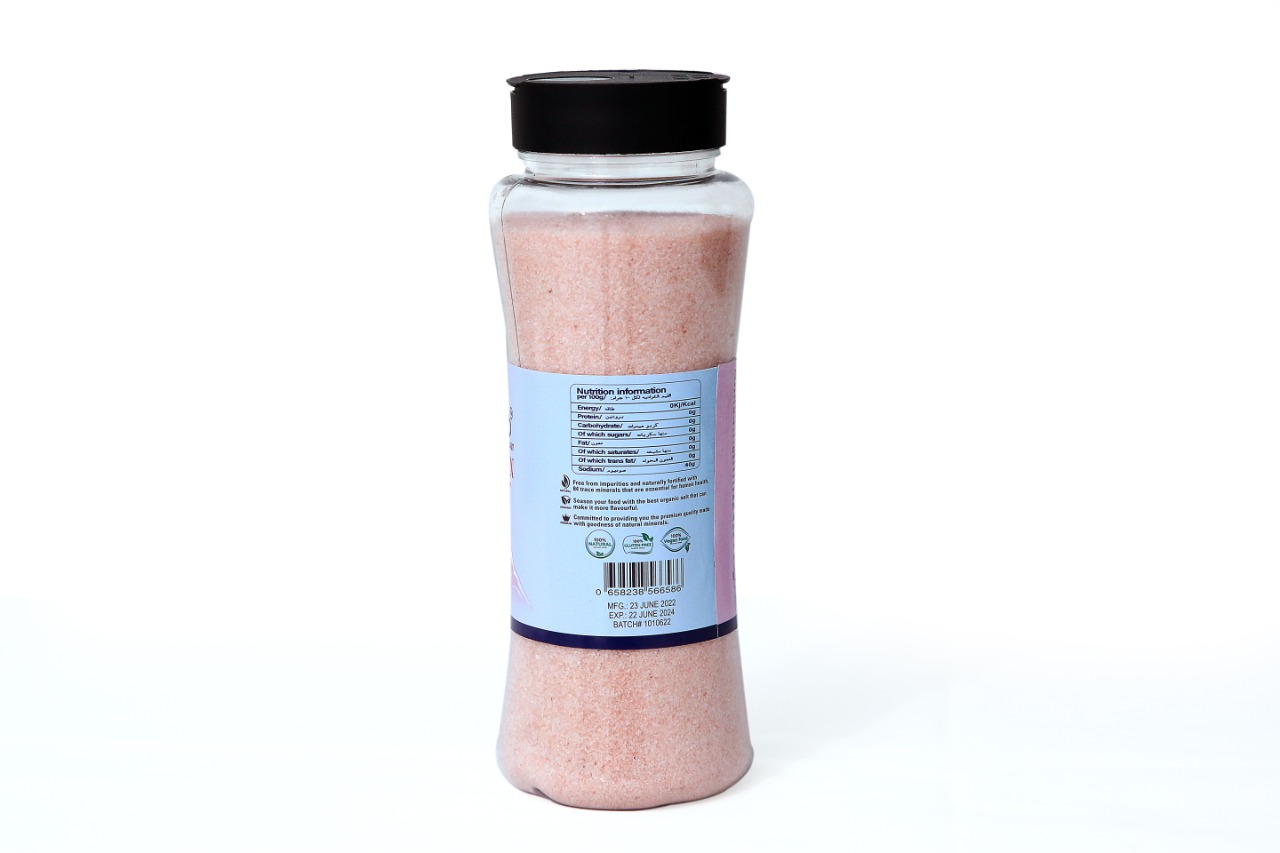
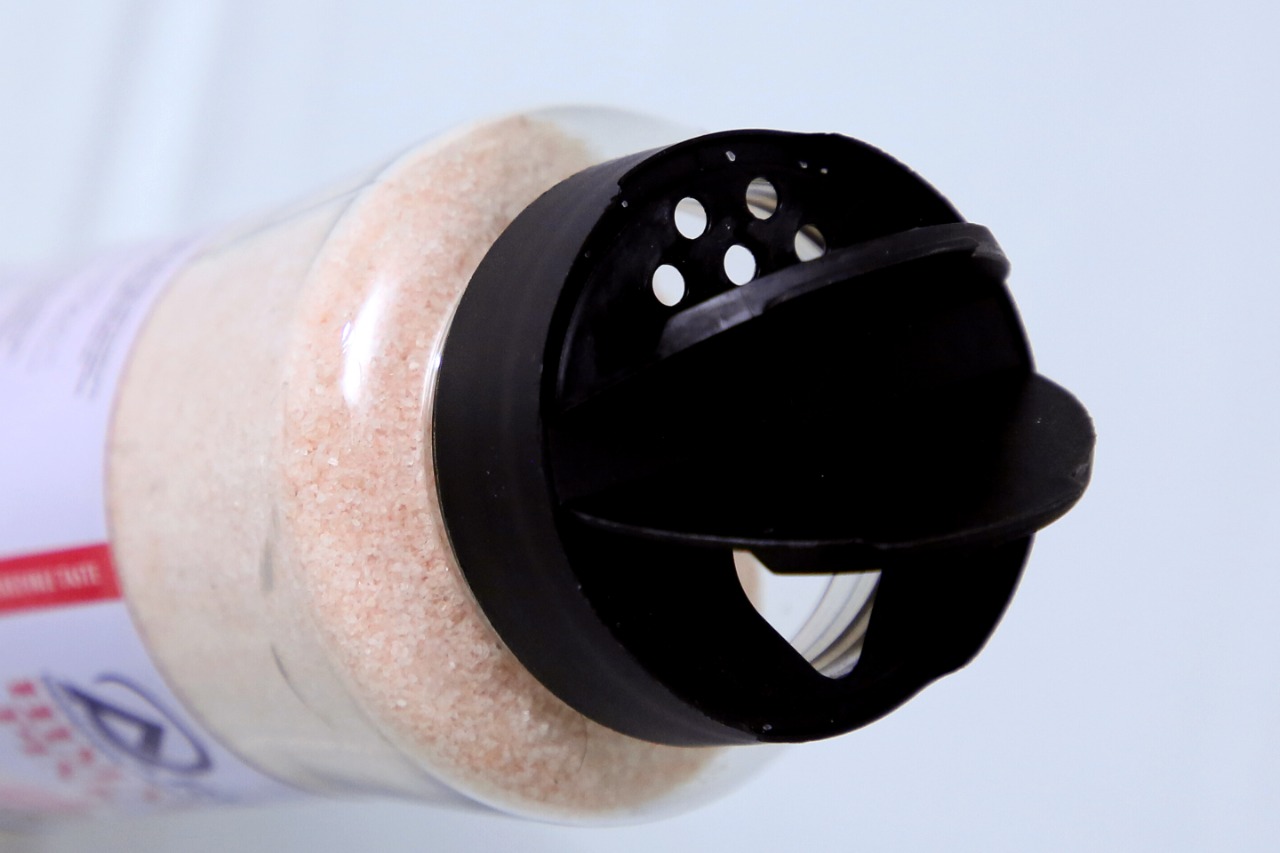
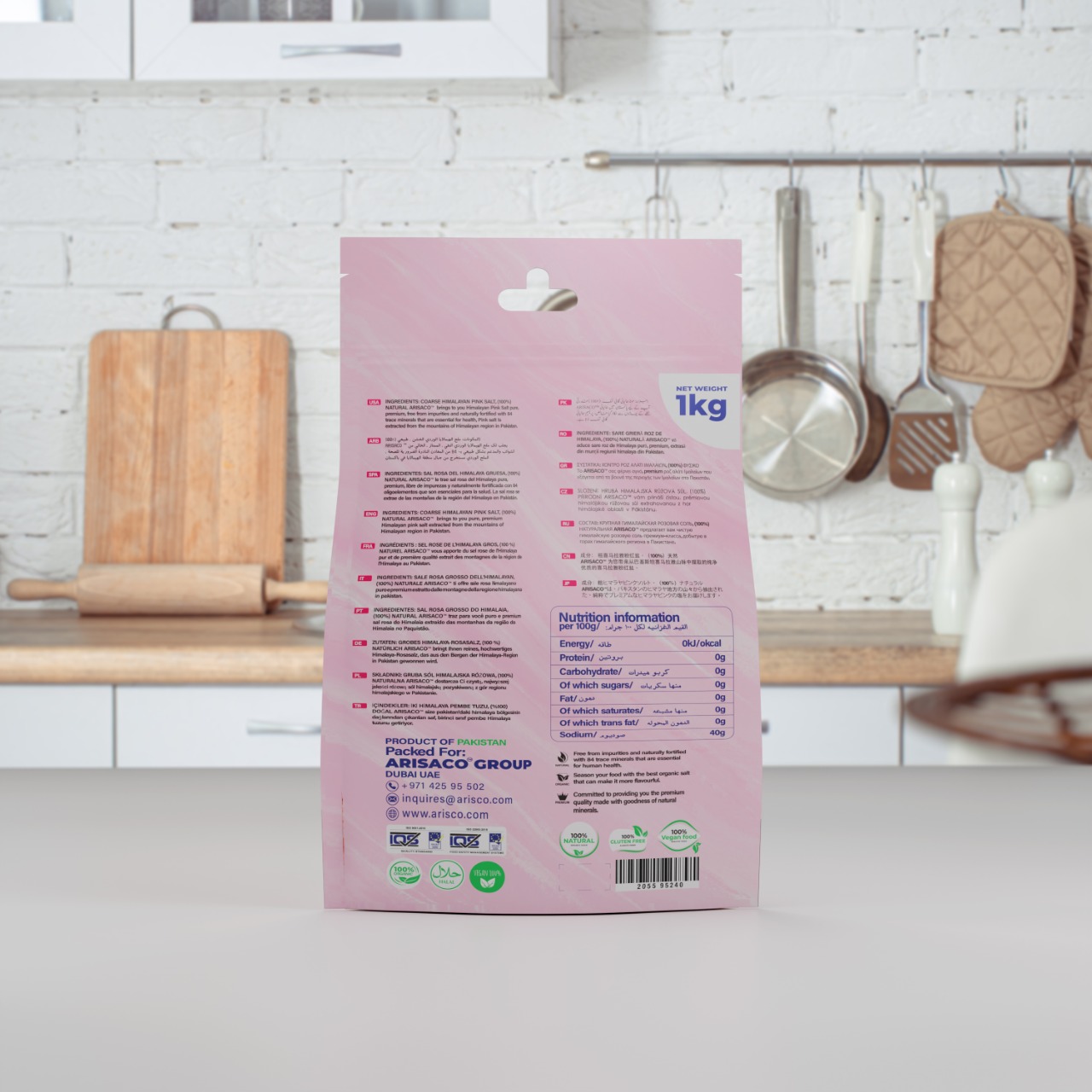
Arisaco himalayan pink salt comes in: 120g, 250g, 500g and 1kg.
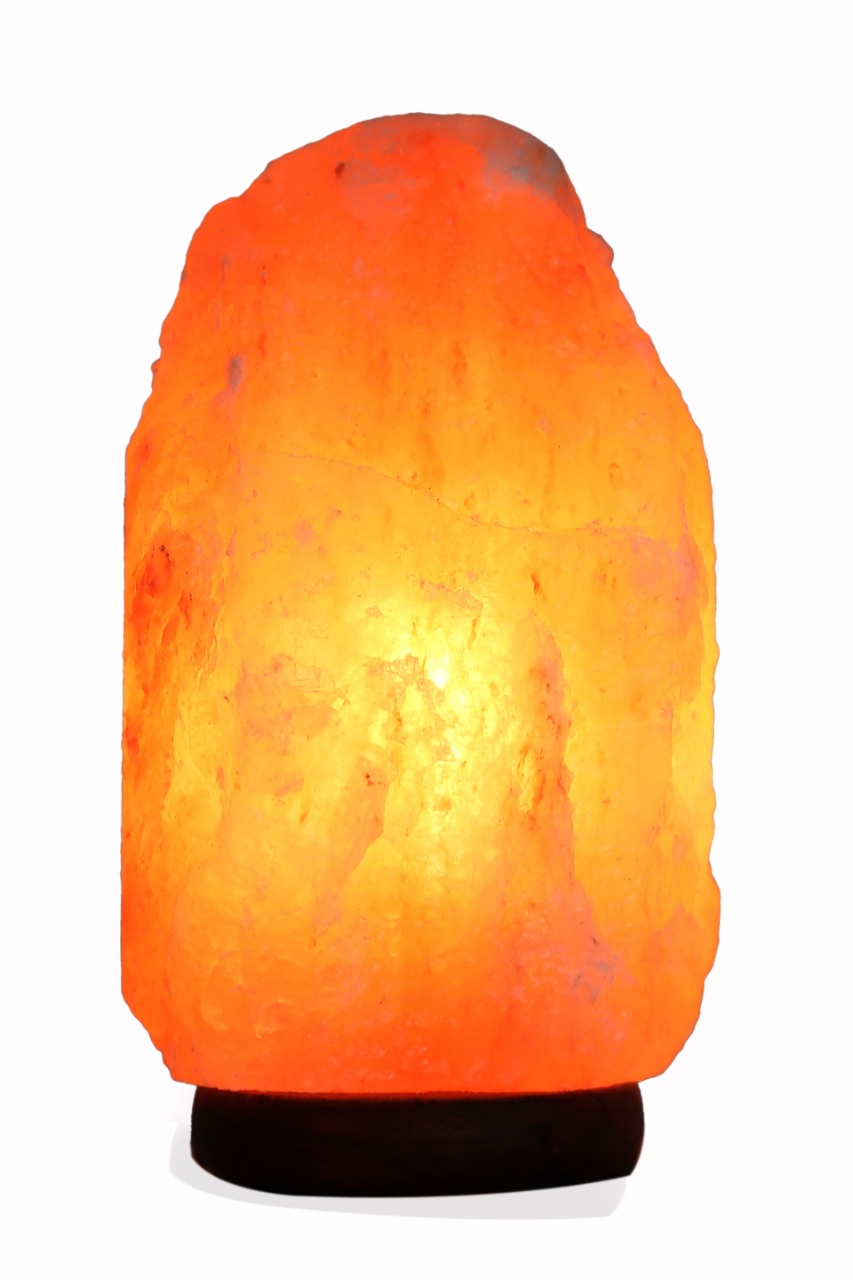
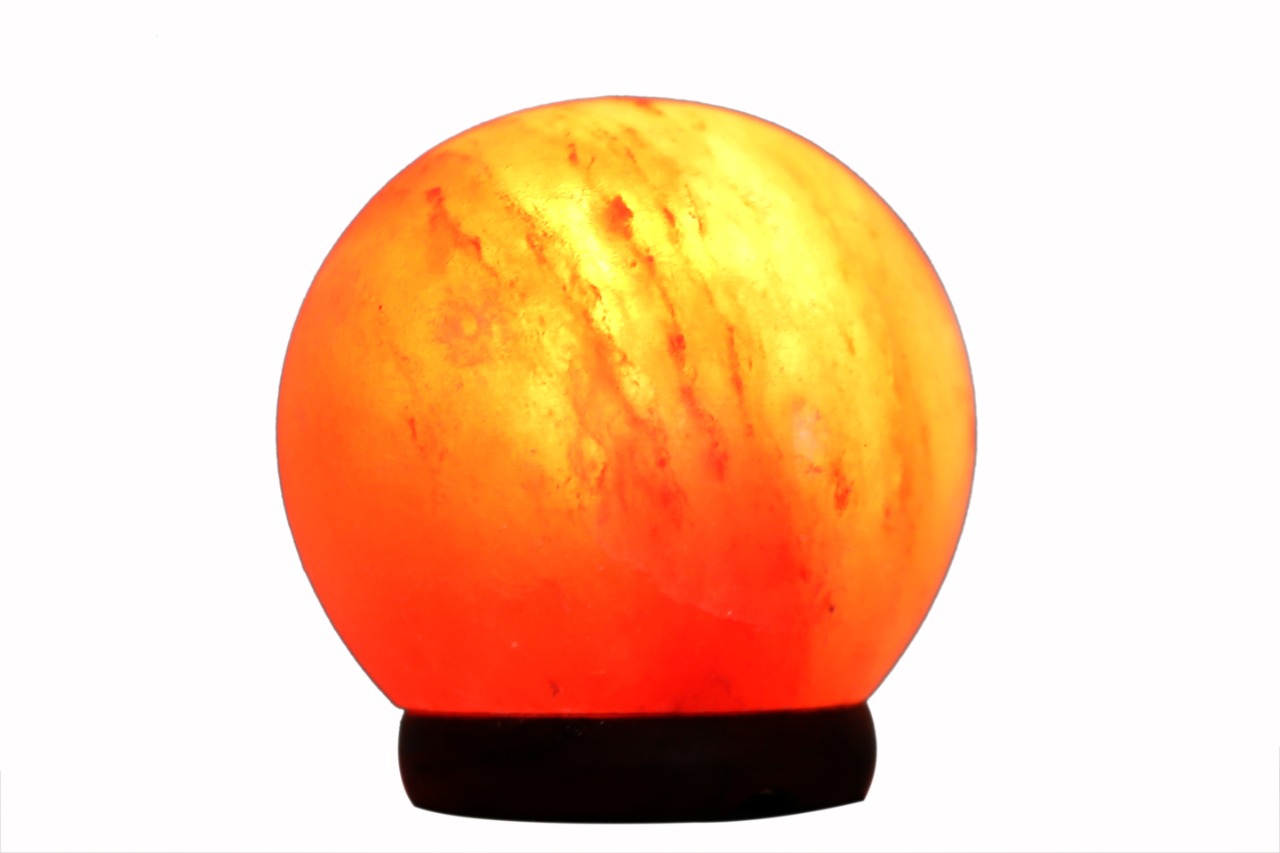
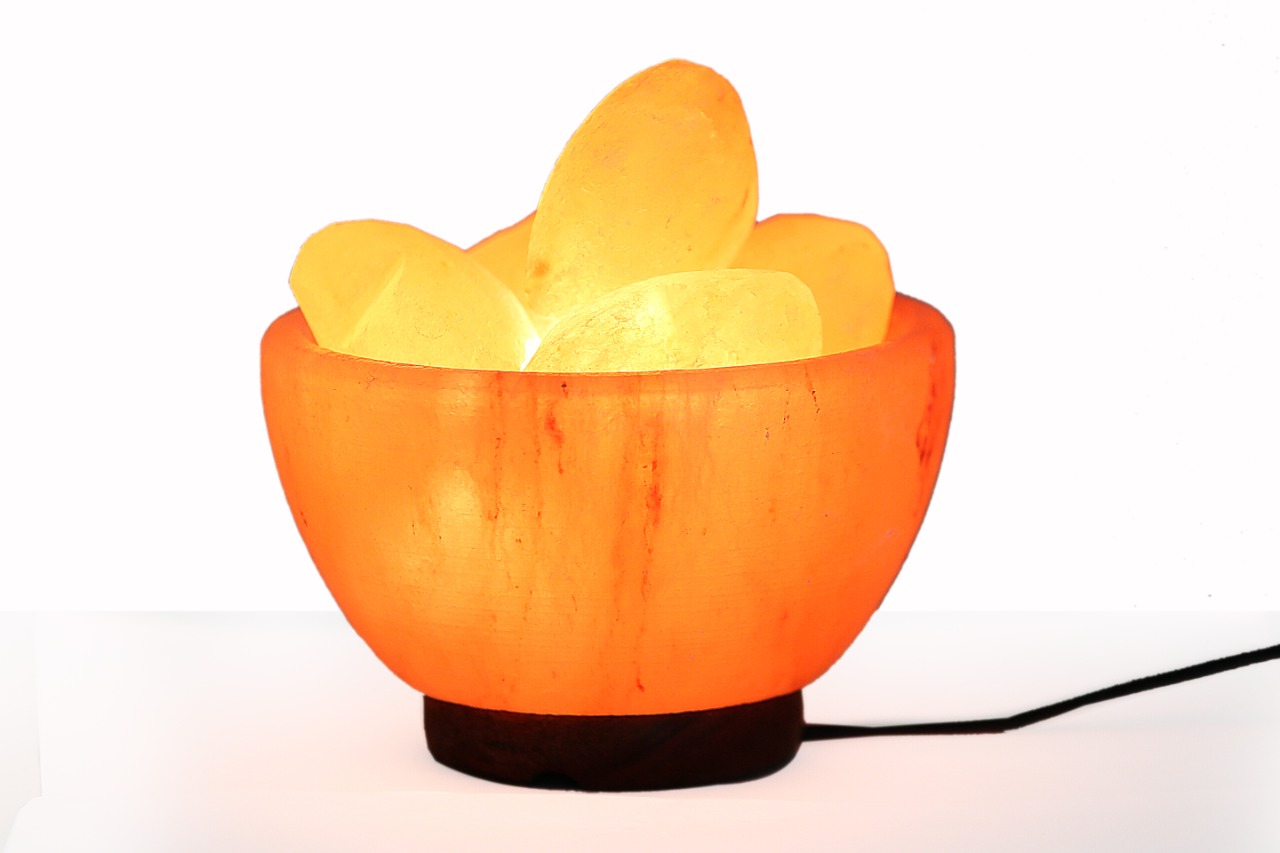
We also have pink salt natural lamps.
COUNTLESS BENEFITS OF PINK SALT:
Pink Himalayan Salt Benefits According to Research
The benefits of pink salt are as varied as its uses. Hence, research backs many Pink Himalayan Salt Benefits, including the following list:
1. Pure Himalayan Salt Lacks Toxic Ingredients
Unlike conventional table salt, Pink Himalayan Salt is natural – especially if you buy it in the form of granular crystals.
In the course of processing conventional table salts, anti-caking agents are added to prevent clumping. With this in mind, these chemical additives are not substances you would like to consume.
For example, sodium aluminosilicate is an anti-caking agent commonly used in table salt. Since sodium aluminosilicate is a good portion of aluminum, it is considered a neurotoxin.
Therefore, the aluminum in sodium aluminosilicate can cause cellular damage to the human nervous system. Consequently, it may be involved in developing neurodegenerative diseases, such as Alzheimer’s (Exley et al. 20141).
Himalayan rock salt is also ahead of other sea salts since these may contain microplastics.
Since sea salt is extracted from dried seawater, which is now considerably polluted with plastic, it may contain microplastics.
Accordingly, a recent study examining table salts in five different continents confirmed this claim (Karami et al. 20172).
Although its health effects are mostly unexplored, eating plastic is not expected to be good for our bodies.
While Pink Himalayan salt also comes from seawater, this water evaporated millions of years ago, so human intervention didn’t have a chance to pollute it.
Moreover, over 85% of all sea salt producers today use a refining process for their salt production.
2. It Offers Additional Minerals
As we have already found out, the nutrient density of pink Himalayan salt is much higher than that of other salts.
Besides the electrolytes magnesium, potassium, calcium, sodium, and chloride, this sea salt contains traces of:
• Iron
• Iodine
• Cobalt
• Copper
• Manganese
• Molybdenum
• Phosphorus
• Sulfur
• Zinc
Although these minerals are not significantly present in Himalayan rock salt, adding more trace minerals while avoiding chemicals sounds like a great way to improve your diet.
However, researchers already confirmed that Pink Himalayan Salt offers more electrolytes than other salts (Drake et al. 20103).
And your health may benefit from these essential electrolytes in Pink Himalayan Salt for the following reasons:
• Potassium combats fatigue, insulin resistance, and hypertension (Shrimanker et al. 20204; Chatterjee et al. 20125; Iimura et al. 19816)
• Calcium is better absorbed by the body through potassium, supporting muscle contraction and bone formation (Lambert et al. 20157)
• Chloride plays an essential role in water, electrolyte, and acid-base balance (Berend et al. 20128)
• Magnesium is vital for DNA repair, muscle function, bone health, and improving hypertension (Jahnen-Dechent et al. 20129; Kawano et al. 199910)
Unlike the other electrolytes, the magnesium content in Himalayan rock salt is relatively low. Nevertheless, it also provides your body with more of this mineral compared to conventional salts.
3. The Crystal Salt Helps Balancing Fluids
The electrolytes sodium and potassium are major players in keeping body fluids in balance.
For example, blood and urine are affected by this function. After ensuring that blood can flow more easily through blood vessels, fluid balance is a vital thing.
Accordingly, too little sodium in the blood can become a problem. This so-called hyponatremia can subsequently cause heart failure, liver cirrhosis, or even sepsis (Roumelioti et al. 201811).
Moreover, too little sodium in the blood can have the following causes:
• Diarrhea
• Excessive drinking of water without salt
• Excessive sweating
• Kidney disease
• Liver disease
• Heart failure
On the other hand, these symptoms may be signs of hyponatremia:
• Headache
• Mood swings
• Fatigue
• Muscle cramps
• Nausea
Since it also plays a crucial role in the human nervous system, these physical ailments may be based on sodium deficiency.
4. Salt Is Vital for the Nervous System
Too little salt in our bodies usually manifests as headaches or mood swings for a reason.
Since nerve cells’ density is exceptionally high in the brain, there is a crucial need for sodium. The designation as an electrolyte already indicates that sodium must have something to do with an electrical charge.
Accordingly, electrolytes are essential for the transmission of nerve impulses in the body.
Sodium (Na+) and chloride (Cl-) ions outside and potassium (K+) and negatively charged proteins inside the nerve cell provide an essential chemical potential (Lodish et al. 200012).
Without this potential, nerve impulses cannot fire.
Therefore, sodium chloride (NaCl) or, in short, salt consumption is crucial for our nervous system’s function.
Moreover, in Pink Himalayan Salt’s case, your body is also supplied with an amount of potassium you cannot find in any other salt in such a high concentration.
5. It May Improve Quality of Sleep
Since salt is significantly involved in regulating fluid balance, it is no coincidence that it is also related to sleep quality.
Among other adverse effects, sodium deficiency suppresses the production of the antidiuretic hormone vasopressin.
As the name suggests, this hormone helps to retain fluid.
In short, the body secretes vasopressin after the sun goes down, so you don’t have to keep running to the bathroom during the night.
Conversely, eating salt helps you release the antidiuretic hormone, sleep through the night, and not have to pee until the morning (Kjeldsen et al. 198513).
However, it would help if you did not forget that alcohol consumption inhibits antidiuretic hormone release and can dehydrate your body as well (Wang et al. 199114).
Therefore, if you have a few drinks in the evening, consuming salt will not save you from restless sleep or trips to the toilet.
6. Himalayan Salt May Fight Hypertension
The media has been wrongly flawing the image of salt over decades. As a result, many people today still automatically associate salt consumption with heart disease.
Contrary to this outdated perception, we now know that people in countries with the highest salt consumption have least cardiovascular diseases (Park et al. 201615).
Although research considers a range of 3 to 6 grams ideal, many public authorities still limit daily sodium requirements to 2300 milligrams.
According to recent studies, falling below 3 grams of sodium per day entails a much higher risk of dying from cardiovascular disease than exceeding 6 grams (Oparil 201416).
Another study that followed over 7000 people for about 14 years even states that the likelihood of dying from heart disease decreases with increasing sodium consumption (Cohen et al. 200617).
Therefore, one must consume salt in enormous amounts and a short period to have a dangerous effect on a healthy body.
Just as the body regulates its temperature or fluid balance, it governs salt intake. As long as the kidneys are healthy, they work to eliminate excess salt.
If there is too little sodium in the body, the kidneys inhibit releasing sodium through the urine because otherwise neurons and muscles could not function properly.
Research suggests that a lack of potassium rather than an excess of sodium causes hypertension.
For example, South Koreans who consume lots of salt have a low risk of hypertension, stroke, and coronary heart disease.
However, unlike other countries with high salt consumption, South Koreans consume incredibly high potassium amounts (Park et al. 201618).
The right way to get more potassium into your diet is to prefer natural foods over processed products.
Accordingly, buying natural salt that contains more potassium than others, such as Himalayan Pink Salt, is a great start.
7. Pink Himalayan Salt Benefits Support Weight Loss
Despite acting as its natural counterpart, salt still takes the blame for another white crystal’s adverse health effects.
While sugar consumption promotes insulin resistance and body fat, salt increases insulin sensitivity and aids weight loss (Sakuyama et al. 201619).
Since it results in secondary diseases such as type 2 diabetes, polycystic ovary syndrome (PCOS), or metabolic syndrome, one shouldn’t trivialize insulin resistance.
In addition to its primary function as a storage hormone responsible for weight gain, insulin also retains sodium in the kidneys.
When one consumes too little sodium through food, it ensures that sodium remains in the body to provide muscle and nerve function.
Consequently, a low-sodium diet supports the body’s preservation of salt. However, this increases insulin resistance and, inevitably, weight gain (Garg et al. 201120).
Moreover, salt takes the bitter taste out of our food and acts against cravings.
Unlike sugar, salt has a positive feedback loop. If your body has had enough salt, your craving for salt will disappear.
So if you get a craving for salt, reach for Himalayan Pink Salt and season whole food meals with it, which is far healthier than binging on salty snacks.
Moreover, you can also dissolve Himalayan Salt in water and drink it anytime.
8. Himalayan Salt Sole Water May Aid Digestion
Besides adding it to food, you can also use Pink Himalayan Salt as a sole, a solution of pure water and salt. You can make this saltwater drink in no time.
Natural medicine practitioners swear by drinking one glass of Himalayan Salt sole water per day to support the digestive system.
Like what we explained earlier, people use sole water drinks to harmonize the acid-base balance and stimulate stomach acid production and other digestive juices.
In short, water with Himalayan salt (and a squeeze of lemon or lime) helps neutralize pH levels, boost energy levels and stay hydrated.
Some researchers also suggest that the negatively charged ions of pure salt with trace minerals help pull toxins from cells.
9. Salt Has Antimicrobial Properties
Pink Himalayan Salt is used as a hygiene and detoxifying agent in soaps, scrubs, and baths for a reason.
Accordingly, scientists have found that salt exhibits beneficial antimicrobial properties as a natural preservative (Wijnker et al. 200621).
Therefore, Himalayan crystal salt in its multiple applications can help the immune system fight off bacteria, viruses, and fungi.
10. Pink Salt Can Improve Respiratory Health
In the context of respiratory diseases, there exists the so-called “halotherapy.” This method aims to relieve respiratory problems by inhaling salt.
Moreover, these processes use Himalayan Pink Salt or even Himalayan Salt caves to unleash health benefits.
Accordingly, recent asthma studies have demonstrated that halotherapy reduces bronchial hyperresponsiveness in adults and children (Hedman et al. 200622; Bar-Yoseph et al. 201623).
If Pink Himalayan Salt reduces asthma symptoms, can it also improve the general quality of the air we breathe?
Benefits of a Pink Himalayan Salt Lamp
No, they are not mere decorations for the dingy corners of a house. Pink Himalayan salt lamps have the significant benefit of purifying indoor air.
That is why it makes sense to place Himalayan Salt lamps in the living room or office.
While these lamps attract humid air, they evaporate water quickly due to the heat on the surface.
The evaporation creates negative ions that can react with and neutralize positively charged pollen, dust, dirt, pollutants, and allergens.
This way, potential pollutants remain in the salt instead of entering your body.
Pink Salt Nutrition
Himalayan pink salt is chemically similar to regular table salt, which is sodium chloride (NaCl). The United States Department of Agriculture (USDA) says that regular table salt has 581 milligrams of sodium per 1/4 teaspoon.1 Himalayan pink salt has 388 milligrams of sodium per 1/4 teaspoon.2
This disparity is because pink salt is less dense than regular table salt—owing to its generally coarser grind. When compared by weight, the two are actually equivalent in sodium content.
Minerals in Himalayan Pink Salt
You Can Eat It or Cook With It
In general, you can cook with pink Himalayan salt just like you would with regular table salt. Put it in sauces and marinades or add it to your food at the dinner table.
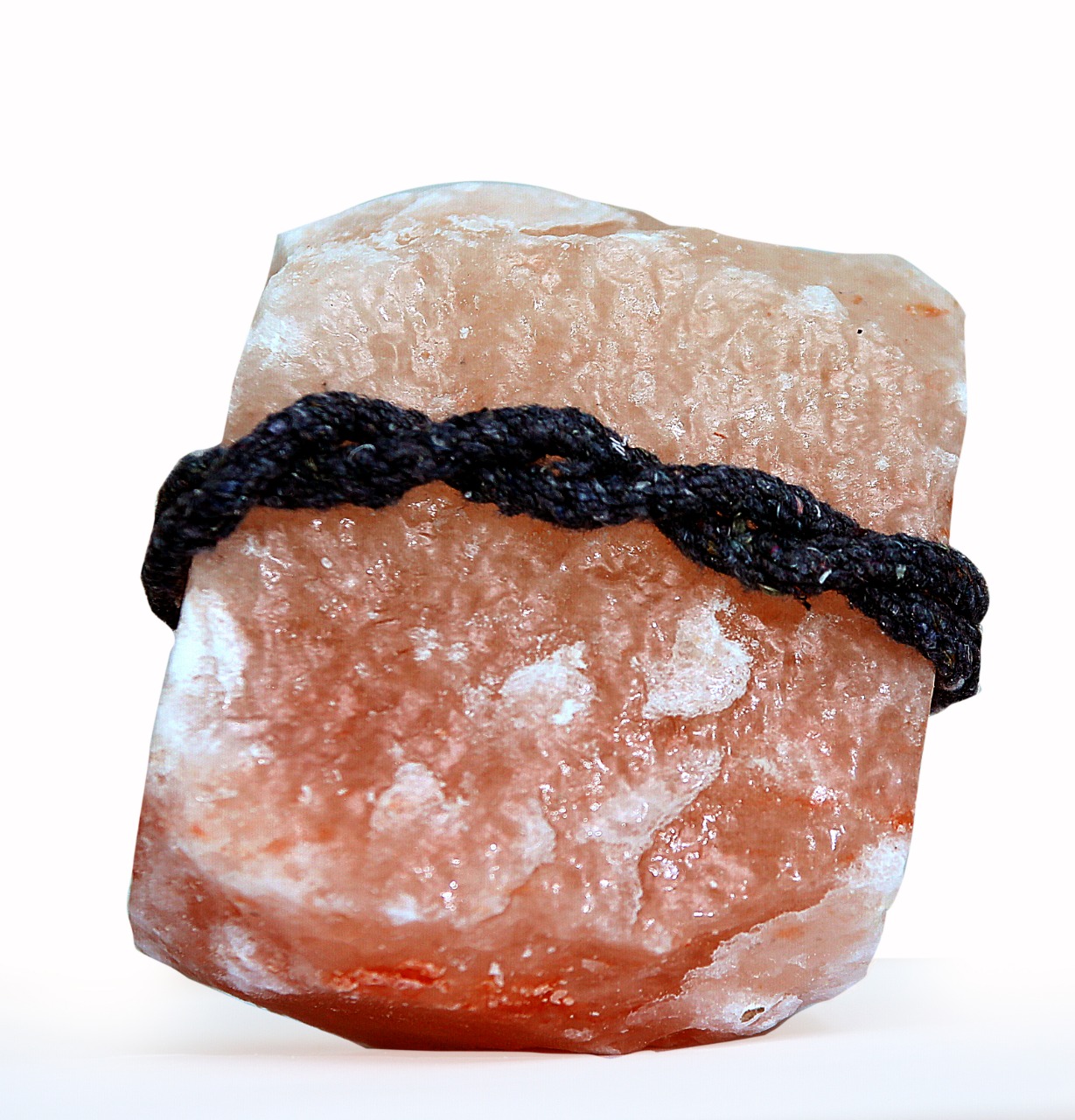
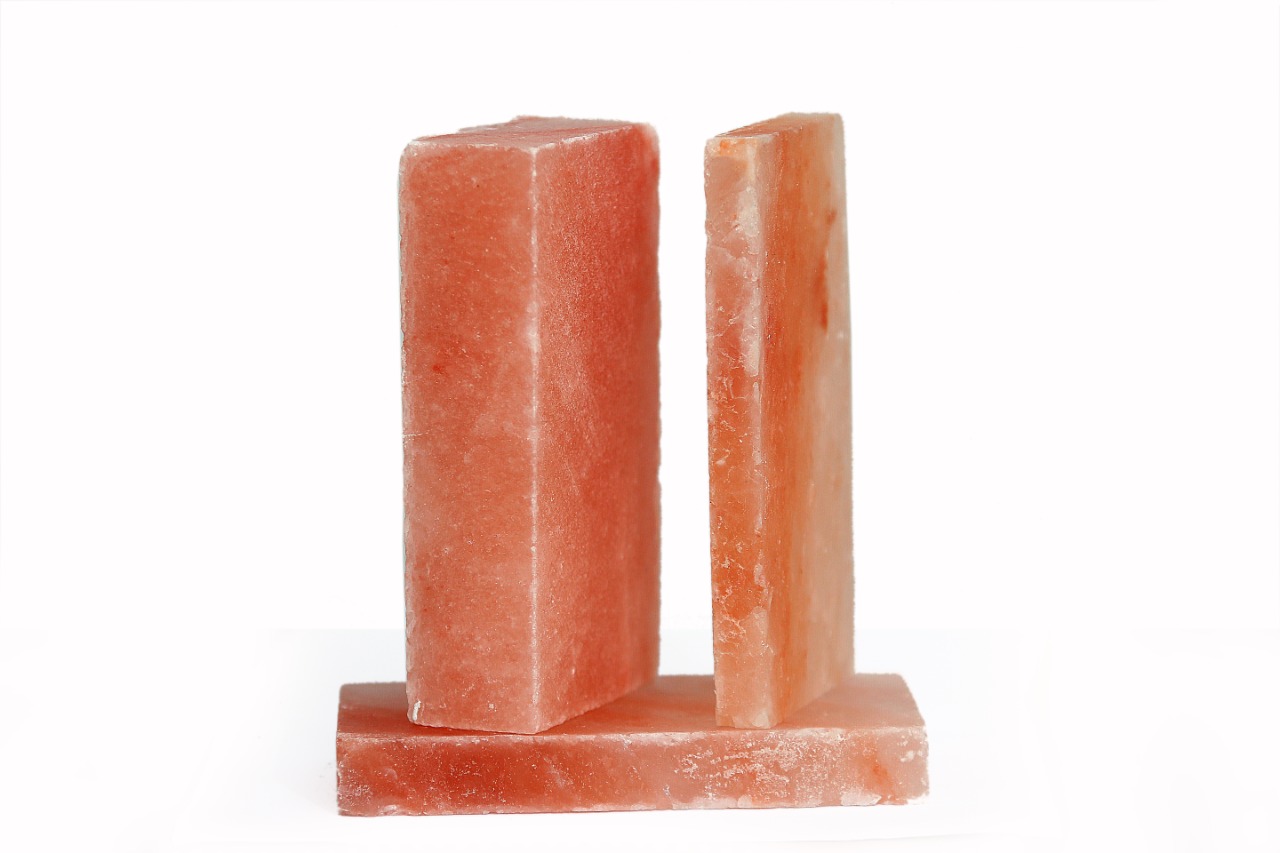
Some people even use pink Himalayan salt as a cooking surface. Large blocks of the salt can be purchased and used to grill, sear and impart a salty flavor to meats and other foods.
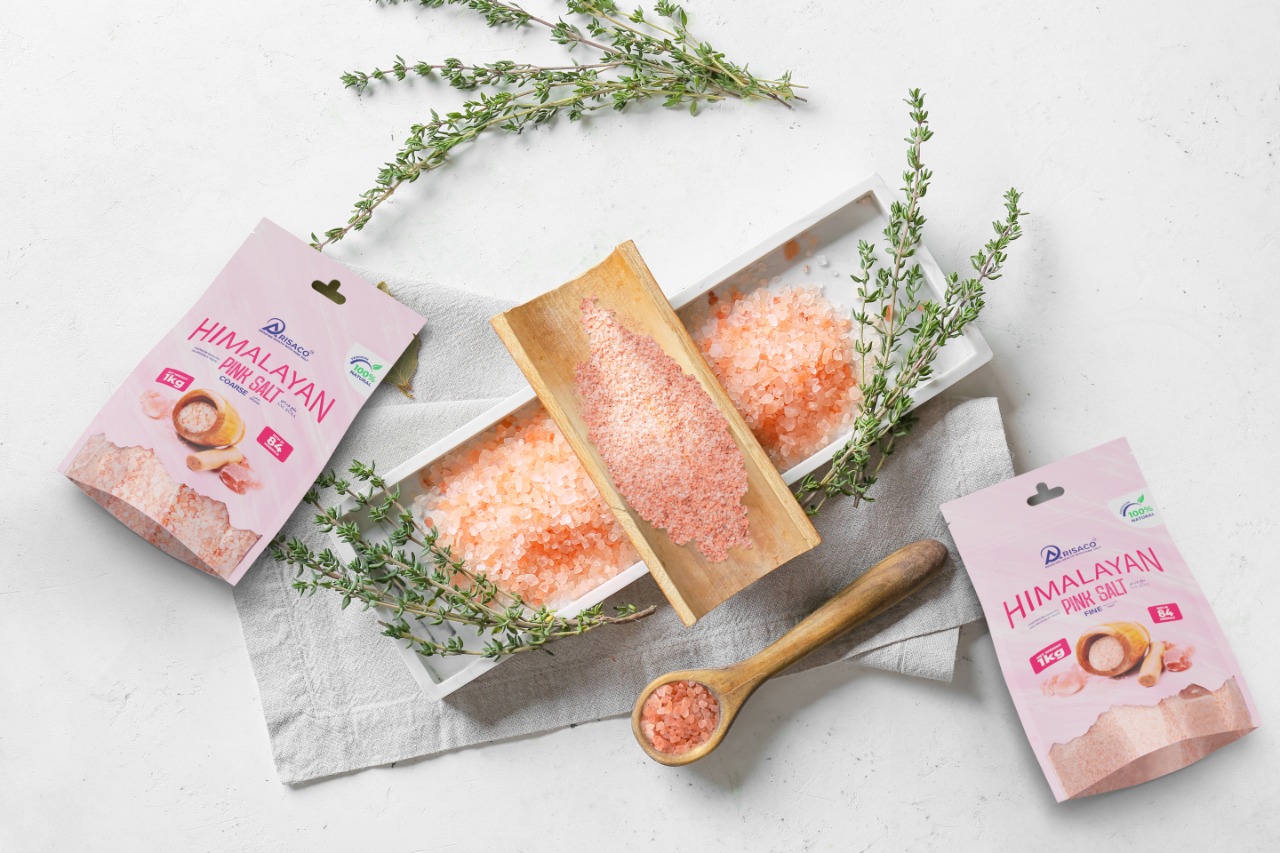
Pink Himalayan salt can be purchased finely ground just like regular table salt, but it is not uncommon to also find coarse varieties sold in larger crystal sizes.
Considerations for Cooking
Whenever you’re measuring any kind of salt by volume, it’s important to consider how finely it’s ground.
You may need to use larger quantities of coarse salt to match the saltiness of finely ground salt. This is because finely ground salt is packed closer together than coarse salt, so there’s more of it in a particular volume.
For example, 1 teaspoon of any type of finely ground salt may contain around 2,300 mg of sodium, while 1 teaspoon of coarse salt will vary based on crystal size but could contain less than 2,000 mg of sodium.
Furthermore, pink Himalayan salt contains slightly less sodium chloride than regular table salt, which you may need to account for when cooking.
Current dietary guidelines in the US recommend that most adults consume no more than 2,300 mg of sodium per day. This is equal to around 1 teaspoon (6 grams) of finely ground salt (5).
However, when you’re using pink Himalayan salt, it’s best to check the nutrition label, as sodium content can vary widely, depending on the brand.
Non-Dietary Uses
While pink Himalayan salt has several dietary uses, there are also a number of popular non-dietary uses.
Pink Himalayan salt is used in some bath salts, which claim to improve skin conditions and soothe sore muscles.
Salt lamps are also often made out of pink Himalayan salt and claimed to remove air pollutants. These lamps consist of large blocks of salt with an inner light source that heats the salt.
Additionally, spending time in man-made salt caves formed out of pink Himalayan salt is popular among people seeking to improve skin and respiratory problems.
But the research supporting these three non-dietary uses of pink Himalayan salt is relatively weak. More studies are needed to confirm these claims.
ORGANIC FOOD